In-Home Pet Sitting vs. Boarding in Frisco, TX:
Which Is Right for Your Pet?
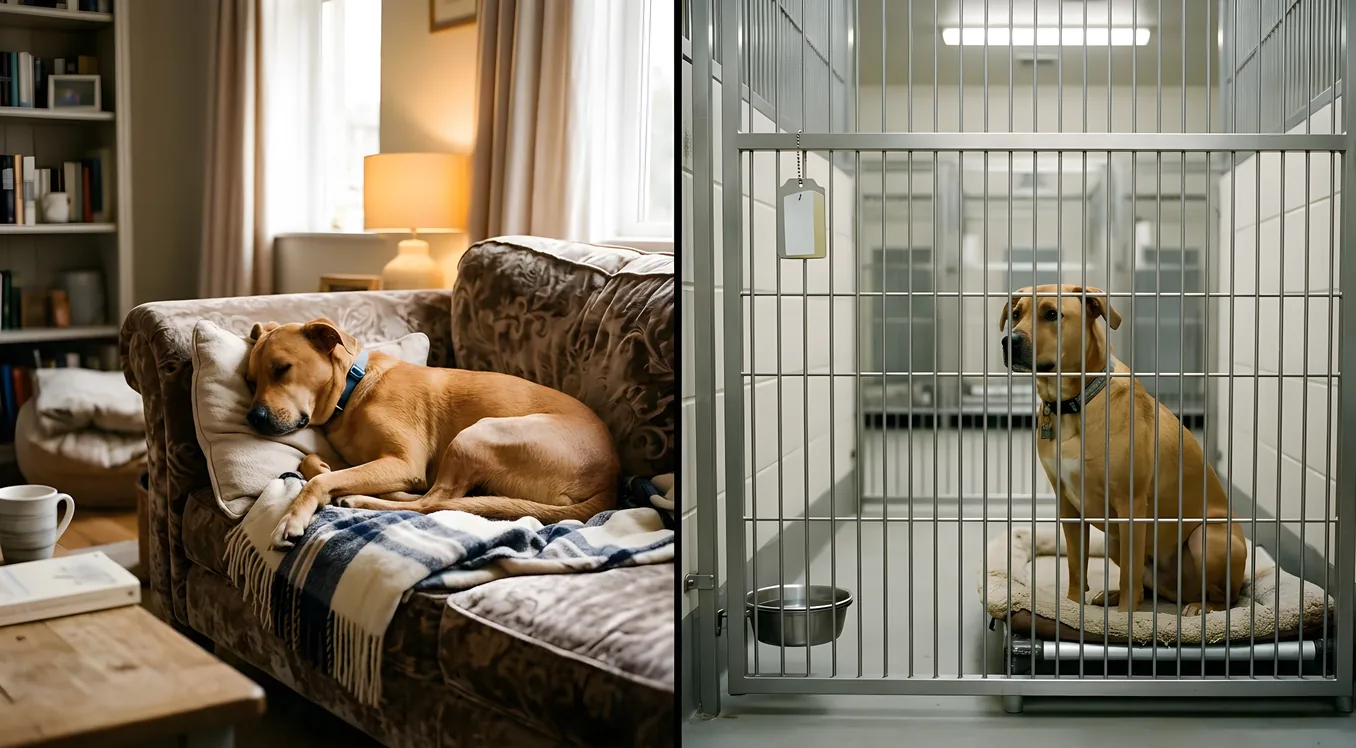
In-home pet sitting keeps a dog or cat in its own familiar environment on its normal routine, while boarding places a pet in a shared kennel or facility alongside other animals and staff. Neither option is automatically better for every pet; the right choice depends on the individual animal and its owner’s situation. Boarding tends to fit social dogs who genuinely enjoy other animals and people, or households with no one available to check on the home while the owner travels. In-home sitting tends to fit anxious, senior, or routine-sensitive pets, cats and small or exotic animals that generally do worse outside their own territory, and pets on a strict medication schedule. In-home sitting is typically priced per visit or per night for the household, while boarding is usually priced per pet, per night. Frisco pet owners can compare current local in-home sitting providers in the directory once they’ve decided which option fits their pet.
What’s the Difference Between In-Home Pet Sitting and Boarding?
In-home pet sitting means a sitter visits a pet’s own house on a set schedule, or stays there overnight or for a longer trip, so the pet never leaves its normal environment. The sitter comes to the animal, handling feeding, walks, litter boxes, or medication in rooms the pet already knows.
Boarding works the opposite way. The pet is dropped off at a kennel or boarding facility and stays there, cared for by staff who rotate through many animals over the course of a day. Both are established, legitimate forms of pet care; neither is universally the “better” option.
The most practical difference for a first-time comparison shopper is logistics. Boarding requires a drop-off and pickup, plus transporting the pet to an unfamiliar building. In-home sitting removes that step: the sitter comes to the pet, and the pet’s daily environment doesn’t change at all.
When Boarding Might Be the Better Fit
Boarding works well for a lot of dogs, especially the ones who genuinely light up around other animals and people all day. A social, easygoing dog that already enjoys dog parks or daycare often settles into a good facility without trouble, and the constant activity can suit that temperament better than quiet time alone at home.
Boarding also fits a real logistical gap some Frisco owners face: no one nearby to check on the house while they’re traveling. A neighbor willing to grab the mail is one thing; someone qualified to handle a pet’s full care is another, and not every household has that person available.
Round-the-clock onsite staff is another genuine advantage. Some owners simply prefer knowing a person is physically present at the facility overnight, able to respond immediately if something comes up. For a highly social dog, or a household with no local backup for home visits, a good boarding facility is a legitimate first choice, not a fallback.
When In-Home Pet Sitting Makes More Sense
In-home sitting tends to suit anxious, senior, or routine-sensitive pets best, since staying in a familiar space removes the adjustment a new environment always requires. A dog that startles at loud noises, or an older dog on a fixed routine of naps and short walks, usually does better without the stress of new smells, sounds, and unfamiliar animals.
Cats and small or exotic pets, including birds, fish, and reptiles, tend to tolerate a change in territory far worse than dogs do, regardless of temperament. A cat that seems relaxed at home can stop eating or hide for days after a move to an unfamiliar facility, so staying home is usually the better call almost by default.
Pets on a strict medication schedule benefit from a sitter who learns that animal’s dosing routine over repeat visits, lowering the odds of a missed dose compared to a facility managing many pets’ medications at once. A sitter’s visit is also focused entirely on one household, so every pet gets one-on-one attention rather than a share of time split across a full roster. For a full look at what a visit includes, see in-home pet sitting.
Comparing the Cost of In-Home Sitting and Boarding
In-home sitting is typically priced per visit or per night for an overnight or live-in stay. Boarding is typically priced per night at the facility, often with additional fees for extra walks, playtime, or medication. Rates vary enough by provider that quoting a specific figure for Frisco wouldn’t be accurate; comparing current local pricing directly with providers listed in the directory gives a more reliable picture than any general estimate.
One honest difference is worth naming regardless of exact rates: a multi-pet household often sees the cost gap widen. Boarding typically charges per pet, per night, since each animal takes up a spot at the facility. An in-home sitter usually covers every pet in the household during a single visit, whether that’s one dog or three cats and a bearded dragon. For a household with several pets, that per-pet structure at a boarding facility tends to add up in a way a single in-home visit doesn’t.
Stress, Routine, and Your Pet’s Comfort
Pets that show stress signals, pacing, loss of appetite, excessive vocalizing, are often reacting to an unfamiliar environment as much as they are to being separated from their owner. A dog or cat dropped into a new building, surrounded by new smells and animals it doesn’t know, has more to adjust to than a pet that simply notices its owner is gone for the day.
Staying in a familiar home with a consistent routine tends to reduce that stress response for many pets. That said, not every pet finds boarding stressful; some genuinely enjoy the social environment and settle in without trouble at all. For a closer look at why a familiar environment matters so much to a pet’s stress level, see why pets are less stressed at home.
Multi-Pet Households and Pets With Medical Needs
For a multi-pet household or a pet on a strict medication schedule, in-home sitting means one sitter handles every pet’s routine at home, without the transport and shared-space logistics of a boarding stay. One visit covers every animal at once, rather than transporting each pet separately to a facility, sometimes to different buildings if the household has both dogs and cats.
Medication adds another layer to the comparison. A sitter who learns one specific pet’s dosing schedule across repeat visits works from a routine built around that single animal, while a facility manages dosing for many pets at once. Group housing at a boarding facility also carries some baseline exposure to other animals; kennel cough, for example, is a well-documented risk of shared boarding and daycare environments generally. Reputable facilities manage that risk with vaccination requirements and health screening before intake. For the fuller picture on caring for several pets at once, see pet sitting for multiple pets.
In-Home Pet Sitting vs. Boarding: Common Questions (FAQ)
Is in-home pet sitting more expensive than boarding?
Not necessarily. It depends on the number of pets and the length of the stay. In-home sitting is typically priced per visit or per night for the whole household, while boarding is priced per pet, per night, which adds up for a multi-pet home. Check the directory for current local pricing.
Is boarding bad for my dog?
No. Many dogs do well at a good boarding facility, especially social dogs who enjoy being around other animals. It’s less about good or bad and more about matching the option to the pet’s temperament.
Can a pet sitter handle multiple pets in one household?
Yes. A single visit typically covers every pet in the home, which also means each pet keeps its own feeding and medication routine handled in the same stop.
What if my pet needs medication while I’m away?
Both options can typically manage a medication schedule, but an in-home sitter who learns a pet’s specific dosing routine, combined with a familiar environment, is often the simpler fit for complex medical needs.
Choosing What’s Right for Your Pet in Frisco
Neither option is the wrong choice on its own; the right one depends on the specific pet and the Frisco household’s situation. A social dog with no one available to check on the house might do best at a good facility, while an anxious pet, a cat, a small or exotic animal, or a pet on medication is usually better served staying home. For owners whose situation points toward in-home care, what an in-home pet sitting visit includes is worth a look, and the benefits of in-home pet care covers the fuller picture. From there, comparing Frisco pet sitters in the directory is the next step.